
What is Dramatherapy
Lorem ipsum dolor sit amet, consectetur adipiscing elit
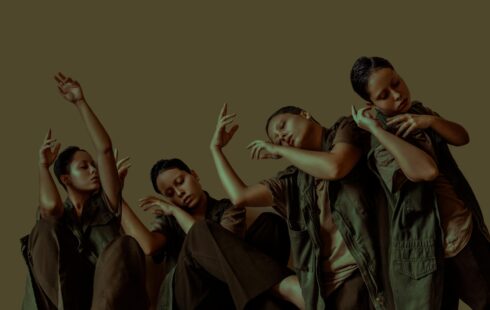
Sometimes moving away from discussing something just verbally can help us to understand ourselves, our feelings and relationships better. Getting in touch with our creativity can also strengthen our confidence, self esteem and sense of wellbeing, as well as provide us with new insight and build up our resilience. Dramatherapy is a creative arts therapy that integrates the person as a whole — body, mind and imagination as part of its practice.
“Dramatherapy is the intentional and systematic use of drama and theatre processes to achieve healthy psychological growth and change. Action methods, spontaneous and dramatic play, drama games, mime, movement, voice, role-play, scripts, masks, myths, stories, metaphor and symbolism are used to enable clients to express, experience and explore relevant issues. Dramatherapy often involves working ‘within the metaphor’, which means that difficult topics or emotions can be explored through the frame of, for example, a story, a poem, a play or a role, creating a safe distance between clients and their troubles.”
Irish Association of Creative Arts Therapists
A Dramatherapy intervention
Working with stories and poetry
Exploring feelings through conscious movement and music
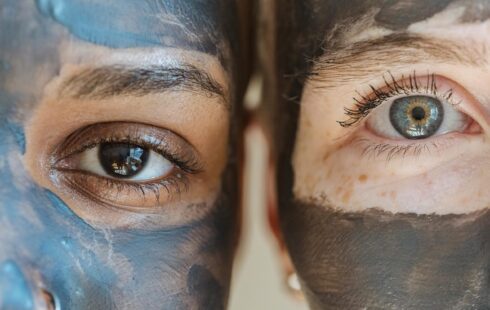
Ritual structures and mask-making
Guided meditation and breath work
Creating images with objects or art
All of these artistic interventions are based on the evidence that the use of creativity can allow for unconscious material to be explored and new connections to be made. The emphasis is always on the experience of the individual and not on artistic results, therefore, experience of the creative arts is not needed.
Often leads to
Building self confidence
Strengthening of a sense of self
Strengthening of co-operation and communication
Developing and strengthening social skills
Dramatherapy sessions are structured and contained, but always different, as the dramatherapist always follows and is guided by the creativity of the clients. The structure of the sessions include a clear beginning, middle and end. Individual sessions in a clinical setting usually last one hour. Group sessions last between one hour to an hour an a half, depending on the group size and the client group.
Why Dramatherapy?
Depression and anxiety
Trauma
Confidence and self-esteem
Addiction/eating disorder
Bereavement and loss
Personal development/difficult transitions
Dramatherapy offers a variety of working methods that are applicable to a wide variety of clients. It can help the process of emotional growth through the development of trust, risk-taking and the experience of different ways of being. The role of the Dramatherapist is to provide a safe, supportive space to enable and encourage the clients to express themselves in whatever way they are able, providing an opportunity to process the difficulties of life in a creative, safe, secure and supportive space. Dramatherapy allows the client to explore and ‘just be’ who they are within the therapeutic session. Through creative expressive activities, clients can explore and hope to find within themselves the means to understand key aspects of their lives.

Drama Therapist
Dramatherapists are both artists and clinicians who draw on their training in theatre/drama and therapy to create methods to engage clients in effecting psychological, emotional and social change. The therapy gives equal validity to body and mind within the dramatic context; stories, myths, play text, ritual, masks and improvisation are examples of the range of artistic interventions a Dramatherapist may employ. A dramatic talent is not necessary for participation and the emphasis is not on performance but on the experience of the group or individual. The role of the Dramatherapist is to develop a programme with appropriate aims, objectives and structures to meet the needs and abilities of the client/s.
British Association of Dramatherapists